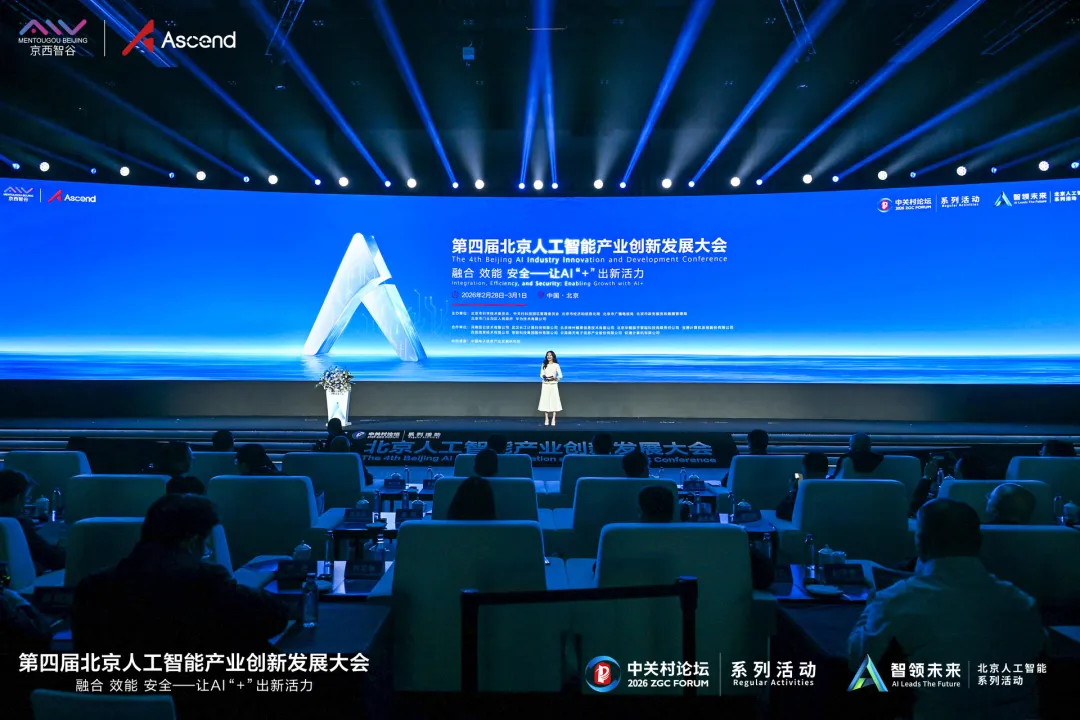
The 4th Beijing Artificial Intelligence Industry Innovation and Development Conference
On the morning of Sunday, March 1, 2026, the “AI + Computing Audiovisual” sub-forum of the 4th Beijing Artificial Intelligence Industry Innovation and Development Conference— “AI Empowerment, Limitless Audiovisual Experience” —officially opened . Sun Lijun, Dean of the China Animation Research Institute of Beijing Film Academy, delivered the opening speech on the theme of “Transformation in the Era of Intelligent Imaging: Reshaping the Boundaries and Future of Film and Television.” The speech systematically elaborated on the profound impact of intelligent imaging on the film and television industry from multiple dimensions, including a positive comparison of international AI film and television creation, the century-long history of film and television, creative practices, talent cultivation, and future planning.
China’s AI-powered film and television production is at the forefront internationally.
Dean Sun Lijun revealed that in exchanges with the United States, Japan, South Korea, and other countries on the application of artificial intelligence, it was found that overseas counterparts generally hold a conservative attitude towards AI creation, while China has taken a relatively advanced position in intelligent video creation practices . He showcased three AI-themed feature films on site: Snowy Mountain Mastiff King, Racer Driver, and The Swordsman. Among them, the 90-minute AI-themed feature film Snowy Mountain Mastiff King (also known as Chinese Divine Dog), led by his team, is expected to be released in February 2027, and its full-process AI production model has disruptive significance for the industry.
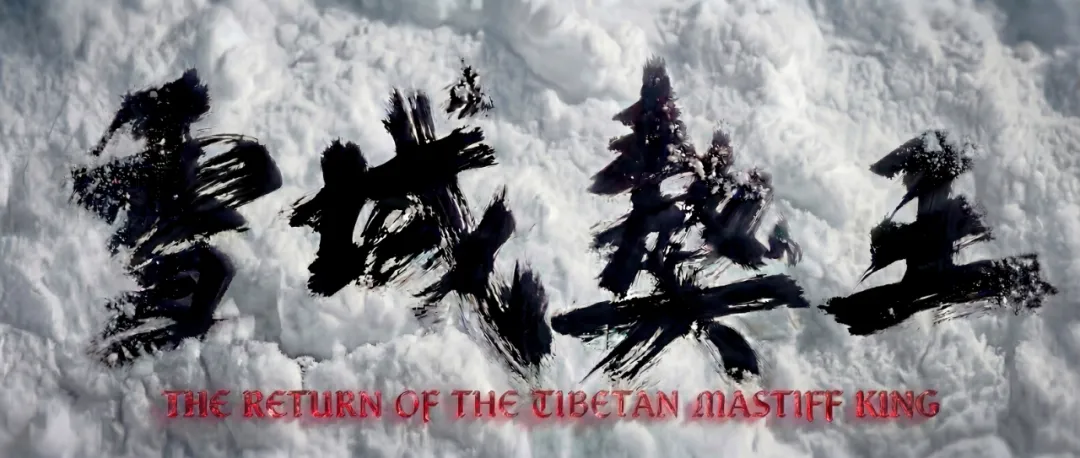

Stills from the AI-themed theatrical film “ Snowy Mountain Mastiff King “
From film to AI: The third leap in a century of imaging
Dean Sun Lijun also reviewed the development of film over the past century, dividing it into three stages: the film era, the digital era (“semi-artificial intelligence era”), and the era of full AI application . He specifically mentioned the Chinese animation school that emerged in the 1950s and 60s—represented by “Little Tadpoles Looking for Their Mother”—emphasizing that the innovative spirit and Chinese aesthetics of the “Chinese animation school” have always been the core driving force of film creation, and this tradition will be revitalized in the era of intelligent imaging.
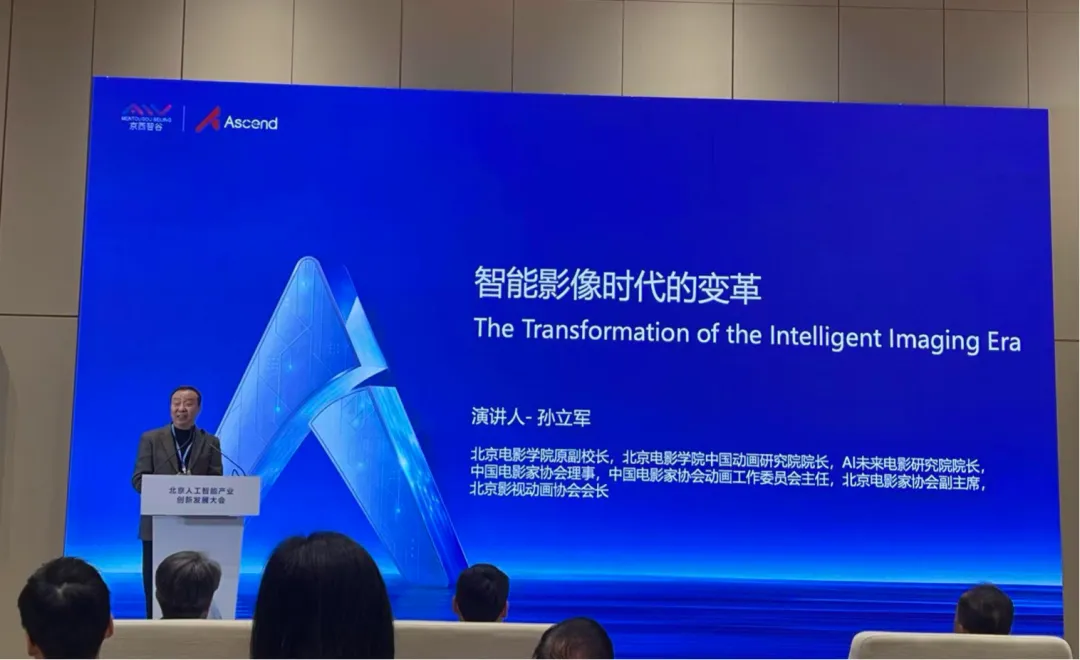
Sun Lijun, Dean of the China Animation Research Institute of Beijing Film Academy
Three days replace three and a half months: A revolution in AI talent training models
In terms of talent cultivation, Dean Sun Lijun initiated the Advanced Training Program for AI Innovation Talents at the Animation School of Beijing Film Academy. This program replaces the traditional three-and-a-half-month teaching cycle with a three-day intensive course , and has now successfully completed its fourth session. This program helps students transition from traditional animation thinking to intelligent image-based thinking, supplying the industry with creative talent adapted to the new era.
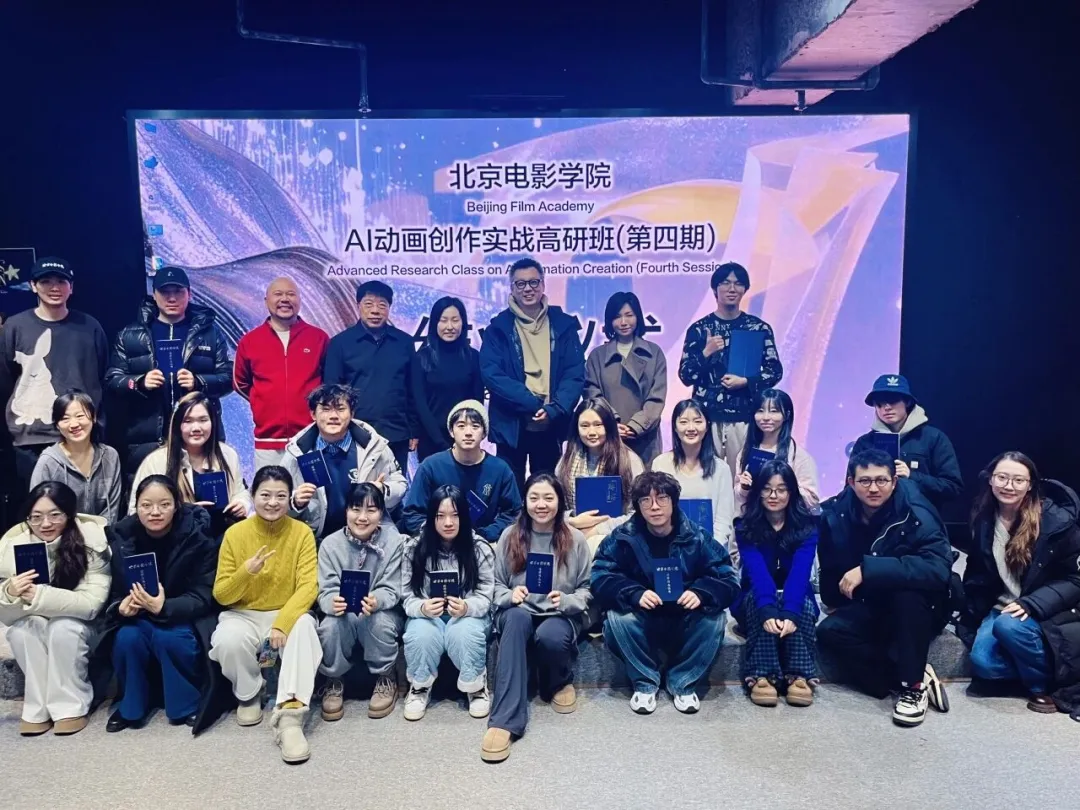
Beijing Film Academy Animation School AI Animation Creation Practical Advanced Training Program (4th Session)
Reshaping the Boundaries of Imaging: More Than Just Technological Upgrades
Dean Sun Lijun pointed out that intelligent imaging will fundamentally break down the traditional boundaries between live-action footage and animation , giving rise to entirely new imaging models and bringing about profound changes in narrative language and audiovisual aesthetics. AI will not replace human creation, but rather extend the boundaries of human creation, improve creative efficiency, and break the limitations of traditional film and television. Image creation will shift from “professional exclusivity” to “universal accessibility,” from “recording reality” to “creating the future,” thereby raising the overall aesthetic level of the public.
Reshaping the boundaries of images essentially means reshaping the ways in which images are produced, disseminated, and valued. AI makes images more efficient, freer, and more valuable, but at the same time, we need to adhere to ethical bottom lines, ensure that technology is used for good, and allow images to serve the progress of human society.
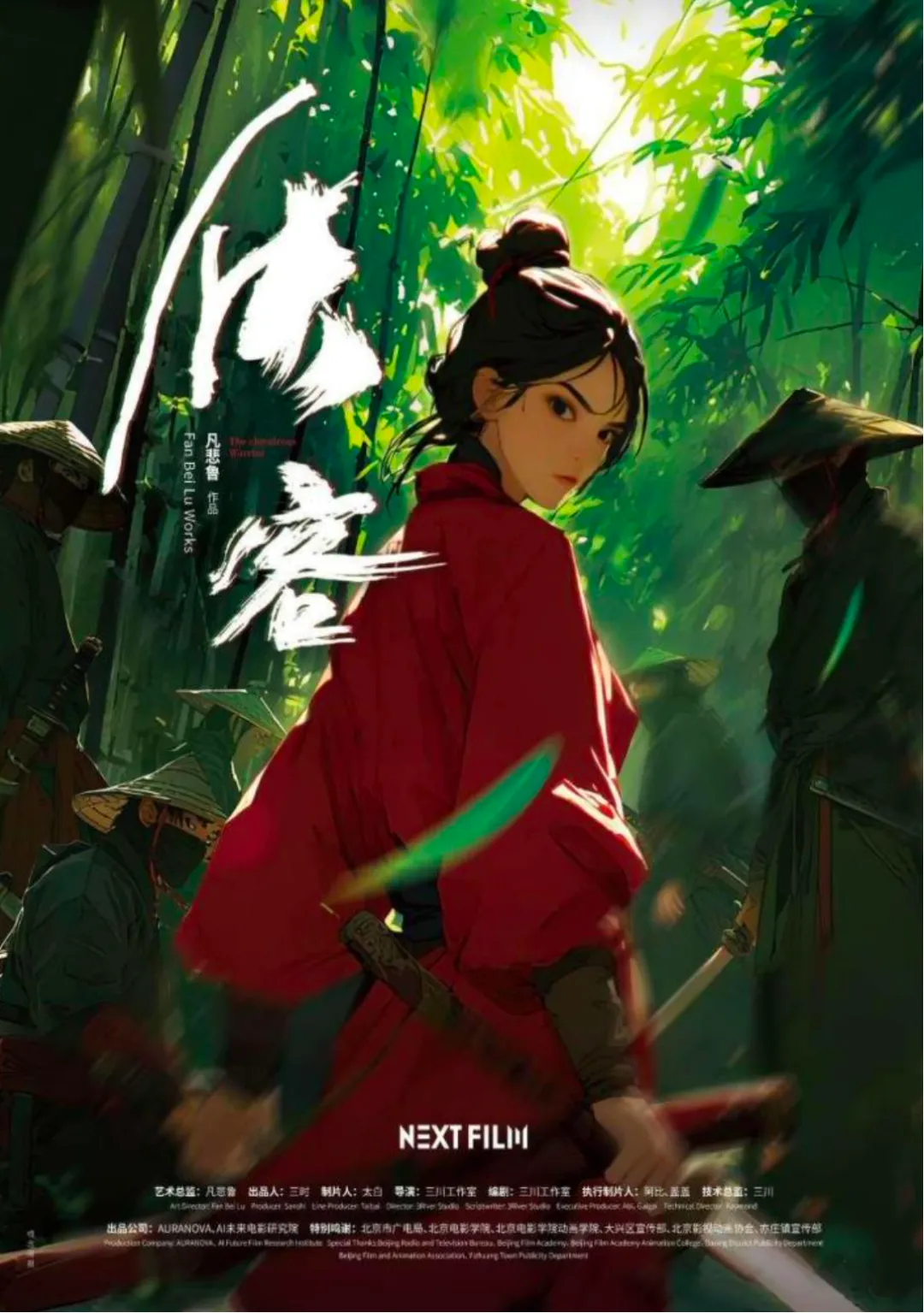
Poster for the AI-themed theatrical film “The Swordsman”
Four major work directions for the future
Looking ahead to the next stage, Sun Lijun outlined four key areas of focus:
-
Technological Breakthroughs – Focusing on key areas such as training style models for the “Chinese Animation School” in video generation and multimodal content generation, we are forging independent and controllable core competitiveness;
-
Scenario Expansion – Promoting the deep integration of AI with diverse video content formats, giving rise to new business models such as AI films, AI animations, and digital actors;
-
Security Governance – Actively participate in the development of standards for digital copyright infringement, data classification and grading, deepfake detection, and content compliance review, and jointly build a trustworthy and controllable AI audiovisual security system;
-
Talent Development : We will continue to iterate and conduct advanced training programs for AI innovation talents to build up creative talent for the era of intelligent imaging.
Speaking about the relationship between AI and creative work, Dean Sun Lijun said, “ Today’s fake is tomorrow’s real . AI is not a monster, but a great intelligent creative tool for contemporary humanity. In the digital age, human imagination and aesthetic sense will play a greater role.” He also emphasized that using technology for good is an unshakable bottom line. While empowering creation with AI, it is essential to ensure that images truly serve the progress of human society.
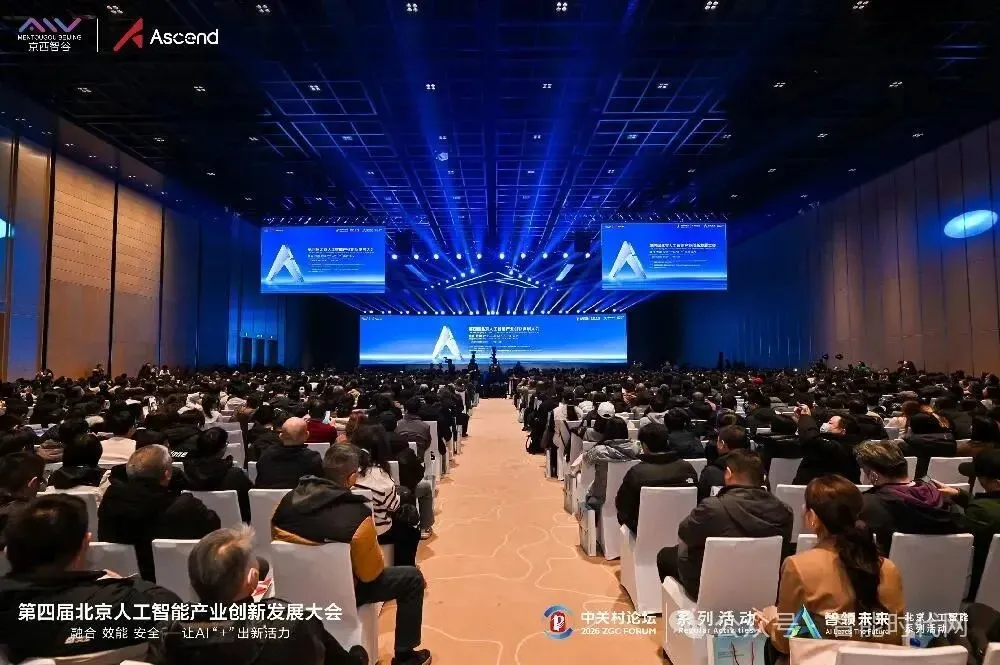
The 4th Beijing Artificial Intelligence Industry Innovation and Development Conference
Text compiled by: Wu Zijun
Layout: Yang Liang, Wei Junde
Reviewed by: Sun Lijun