Date: March 13, 2026
Location: VIP Room, China Film Archive
Editor: Lin Jinxi
Copyright © Contemporary Cinema Magazine
Source: Contemporary Animation, Issue 2, 2026

Sun Lijun
Former Vice President of Beijing Film Academy / Dean of the China Animation Research Institute of Beijing Film Academy

Li Yang
Dean of the School of Arts, Peking University
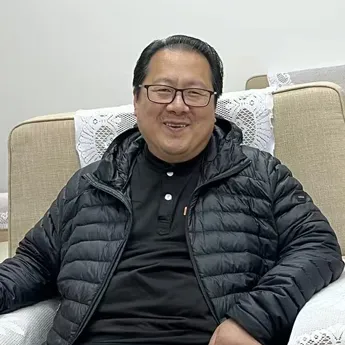
Jia Yunpeng
Dean of the School of Digital Media, Beijing University of Posts and Telecommunications
I. A Reinterpretation and Boundary Dissolution of the Concept of Future Animation
Sun Lijun (hereinafter referred to as Sun): I believe that the concept and definition of animation should be sorted out and understood within the complete context of technological development. More than 140 years ago, after the invention of film, stop-motion animation technology was born. On the one hand, it was used for the special effects production of live-action films, and on the other hand, it gave rise to animated films with stop-motion animation as their core. The earliest animation was the filming of drawings on a table. The subsequent emergence of cel technology and animation pigments allowed this creative system to continue for more than a hundred years.
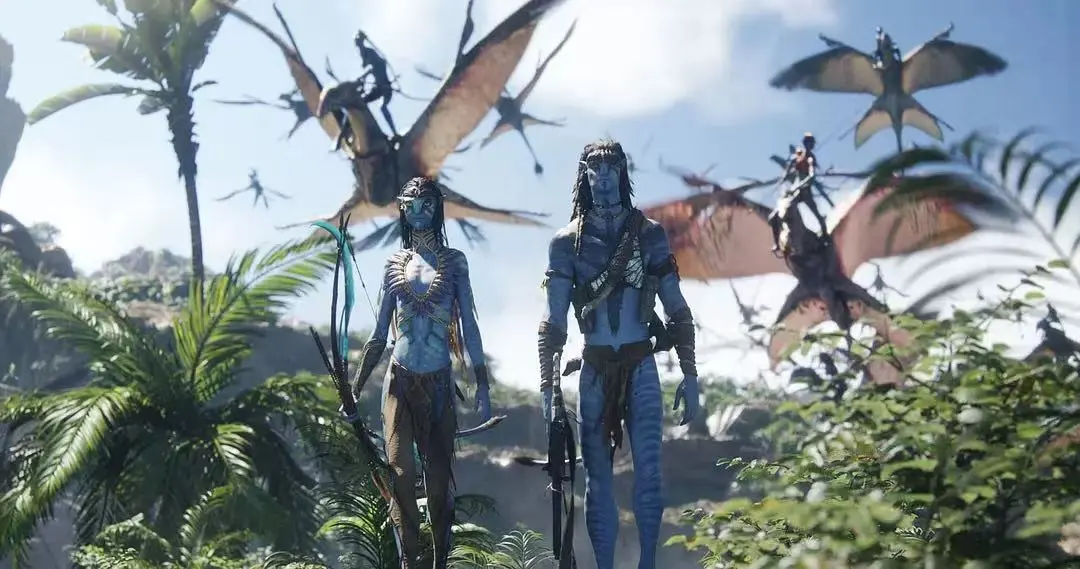
In the 1990s, the development of computer graphics technology led to the rise of 2D and 3D animation, giving birth to 3D animated works like Toy Story. Our creation, Little Soldier Zhang Ga, also involved scanning and digitizing the original hand-drawn artwork before entering the computer production process, supplemented by a few 3D shots to complete the final presentation. During this period, the academic community questioned the nature of animation. Traditionally, “frame-by-frame shooting, played continuously at 24 frames per second” was the core criterion for judging animation. The works of Canadian animation master Norman McLaren, and the long-held philosophy of the Shanghai Animation Film Studio, were all based on this core logic. Until the emergence of the Avatar series, which should have prompted the industry to re-evaluate the core definition of animation, the industry consistently failed to acknowledge its revolutionary impact. Many only saw its technological upgrades, ignoring the fact that it was essentially an animated film. After the release of Avatar 2, I had my students write an article clarifying the core conclusion that “Avatar is essentially an animated film.” At that time, I believed that the traditional “frame-by-frame shooting” and the “frame-by-frame rendering and generation” that evolved in the digital age were not fundamentally different in their underlying logic of creating frame by frame. The boundaries and definition of animation had not changed fundamentally, and I defined this stage as the semi-artificial intelligence era.
The emergence of AIGC, from the perspective of the underlying logic of film and television creation, is highly related to the spectrum of animation technology. It arose from the development of fields such as graphics, machine learning, and science and art. The core of live-action filmmaking is data acquisition, and the logic of dynamic image generation has always followed the main line of animation technology, namely 3D graphics and biological simulation. Based on this, I proposed the concept of “intelligent image” from an academic perspective to distinguish it from traditional images from the film, digital 2D, and 3D eras. The transitional stage of digitalization is semi-intelligent, semi-AI image. Currently, the field of film and television creation has formed a pattern of three major sectors coexisting: traditional live-action images, traditional animated images, and AI intelligent images. With the continuous iteration of large models, intelligent images are rapidly penetrating and bridging the creative boundaries between traditional live-action and traditional animation.
In the era of intelligent imaging, the traditional media boundaries of animation may gradually fade. From the perspective of audience reception, the distinction between animation and live-action has long been blurring and dissolving. The content seen on the big screen in theaters and on movie channels are essentially video products. The core experience difference between home projection and theater screenings is narrowing, and audiences are no longer limited to watching movies in theaters. The boundaries between animation and live-action, and between film and television, may disappear altogether. From the creative perspective, AI technology has broken down the technical barriers between live-action and animation. Several of my current projects are continuously pushing the traditional boundaries of animation: “Snowy Mountain King” creates ultra-realistic animated images, achieving biological simulation and scene restoration that traditional animation cannot accomplish; “Racing Driver” achieves the creative breakthrough of “everyone can be an actor,” making it difficult for non-professionals to distinguish it as AI-generated content; and major film and television projects, through deep integration with AI technology, have broken through multiple limitations in casting and performance of historical figures, which are difficult to achieve accurately with traditional makeup and live-action performances. When animation technology can create ultra-realistic, live-action-level footage, the so-called boundary between animation and live-action will cease to exist. This indicates that the boundaries of animation may be completely broken down by AI technology, and intelligent animation will become the mainstream form of future animation creation.
Jia Yunpeng (hereinafter referred to as Jia): Professor Sun has witnessed the entire development of Chinese animation. He not only deeply cultivated the traditional animation field but was also a pioneer in domestic computer animation. In the early days, computer animation could only be achieved using SGI workstations. Software such as Wavefront and Softimage were expensive and extremely scarce resources. It wasn’t until the PC era became widespread that 3D Studio, 3ds Max, and later Maya gradually developed. Now, the creative tools commonly used by young people have changed again, with software such as Cinema4D and Blender becoming mainstream. This entire process represents the most authentic technological evolution in the digitization process of Chinese animation over the past two or three decades.
The artificial intelligence we are discussing today belongs to a new round of technological revolution, which will have a disruptive impact on all walks of life. Looking back at the development of the animation industry, it is itself a process of continuously liberating manpower. The earliest traditional hand-drawn animation was a typical labor-intensive industry, requiring a large number of creators to draw stroke by stroke. After the emergence of 3D animation, the entire working mode was fundamentally changed. In the current AI era, one person or a few people can complete a complete animated film, and the entire creative process has been completely subverted.
Regarding the definition and boundaries of animation, Professor Sun has already provided a clear definition. In today’s animation creation, the so-called boundaries no longer exist. In the past, we categorized animation into different types such as hand-drawn animation and puppet animation. The core basis for these categorizations was the difference in creative techniques. However, under the fully AI-generated creation model, these categorizations based on technological differences have become meaningless. The only remaining distinction is the difference in creative style. AI can achieve any desired creative style, and the final effect, production time cost, and content controllability far surpass traditional creative methods. When new technologies have surpassed traditional methods in every aspect, adhering to traditional categorization boundaries and technical divisions will ultimately lead to being eliminated by industry development.
This is precisely why many practitioners with solid traditional skills and a long-standing commitment to traditional creative methods find it increasingly difficult to embrace technological change. Senior artists like Mr. Sun, who have come a long way in traditional animation yet maintain a forward-looking vision, even embracing AI technology ahead of younger generations, are extremely rare in the industry. When Avatar 3 was released, Cameron specifically emphasized that “not a single frame in the film was AI-generated,” aiming to highlight the film’s high quality. However, even for a top international creator like Cameron, such expression has already shown its limitations in the face of the AI technology trend.
Rejecting AI cannot stop the tide of technological development; this is an irreversible industry trend. In 2024-2025, the iteration speed of AI technology will be unimaginably fast. Technical shortcomings that industry experts were discussing just a while ago will be completely resolved by newer model versions. Previously, people criticized AI-generated images for being greasy and lacking texture; now, it can perfectly mimic the rough texture of handmade creations, accurately achieving the feel of cassette tapes, old photographs, or stop-motion animation—essentially just a matter of style adjustment. Before Seedance 2.0, people said that consistency in character or style was the core challenge of AI creation, due to its high degree of uncontrollability. After Seedance 2.0 was launched, character consistency has achieved over 80% controllability. The evolution speed of AI has progressed from one version per year, then one per month, to weekly changes. It is constantly iterating, learning, and optimizing. In the face of such technological trends, clinging to so-called traditional boundaries is meaningless.
Li Yang (hereinafter referred to as Li): I completely agree. When discussing AI, the public easily falls into a simplistic and generalized cognitive trap, understanding the technology only from their own work and life perspectives, while ignoring how AI is changing our core understanding of film and animation at different levels. Many people initially had prejudices against AI-generated content, feeling that the quality of AI-generated images was highly distinctive, and that faces were too clean and neat. However, it turns out that the erosion of this distinctiveness is only a matter of time, and is also directly related to the depth of the creator’s understanding of the technology. My student once used AI to generate a clip of a man swimming. The movements were natural and fluid, and the skin surface retained the texture and details of a real human, completely lacking the stiffness of past AI-generated content. I can no longer distinguish with the naked eye whether this content was AI-generated or live-action—the standards for judging AI content in the past have completely become invalid. The same generation instructions produce vastly different results between ordinary people and professionally trained creators, which forces me to rethink whether the boundaries between animation and live-action, digital generation and real images, still exist.
Previously, my students and I had discussed this topic. Assuming a conflict exists between traditional filmmaking techniques and AI creation, we generally believe that the last bastion of traditional creation will be acting. Therefore, we pay particular attention to the boundary between AI and live-action performance. My students found a 2012 study by Canadian scholars who used rigorous neuroscientific methods, employing functional magnetic resonance imaging (fMRI) to scan brain regions when viewers watched live-action and AI-generated performance clips. The results showed that viewers experienced significantly higher prefrontal cortex excitation when watching live-action performances. In 2019, before the explosive growth of AI technology, similar psychological tests yielded similar conclusions. Based on this preliminary research, we are conducting a new experiment at Peking University’s Interdisciplinary Institute. Using fMRI, we are organizing two groups of participants: children under seven and adults. They are shown both AI-generated and live-action versions of the same scene. We have also prepared AI-replicated versions of classic film clips as a control. The core objective is to verify whether this boundary truly exists. Even if human consciousness can no longer distinguish between AI-generated and live-action content, can the human brain still produce differentiated reactions? If the experimental results show that the brain also cannot make the distinction, then this so-called boundary will truly disappear completely.
In the past, we had clear definitions and distinctions between animation and live-action. Live-action, based on optical indexing, preserves our real world and social life in images, while animation carries purely imaginative content, presenting a non-optical world that does not exist in reality. There were clear creative boundaries between the two. However, this boundary has already been attempted to be broken, as seen in the Avatar series, which blurred the lines between reality and imagination. The full development of AI technology will completely erase this boundary. This also means that we no longer need to limit AI animation to science fiction and fantasy content; animation can absolutely depict extremely realistic themes, and viewers will no longer need to deliberately question whether a video is generated by animation or live-action. When the barrier between animation and reality is completely broken down, the concept of animation is also reconstructed. It is no longer a creative form opposed to live-action, exclusive to the world of imagination, but rather a visual creative medium that can transcend reality and imagination, bridging the gap between the real and the virtual.
The disappearance of boundaries also brings new creative challenges: when the distinction between animation and reality no longer matters, we can no longer allow audiences to watch content that has no connection to their own emotions. In the past, the fantastical worlds constructed by animation allowed audiences to immerse themselves and unleash their imaginations, but it was difficult to form a deep emotional connection with their own lives. For example, in “Who Framed Roger Rabbit,” where animated characters and live-action actors appeared side-by-side, the audience could still clearly feel the digital divide between the two worlds, feeling that the animated characters were purely objects of viewing, unrelated to themselves. But in the future, once this divide is completely bridged, the core issue that animation creation needs to address is re-establishing the emotional connection between images and people. This connection is completely different from the past; it requires breaking down the coldness and alienation inherent in digital content and truly caring about the lives and emotions of the audience. This is the core essence of the reconstructed concept of animation.
II. AI-Driven Upgrading of Animation Aesthetics and Narrative Logic
Sun: Film itself is a product of technology. Without film technology, there would be no film art, and the development of film art continuously drives technological iteration. More than a hundred years ago, “Arrival of a Train at La Ciotat” had a revolutionary shock to the aristocracy, while today a four-year-old child wouldn’t be surprised by it. The development of film has always kept pace with technology, civilization, and public understanding. From the heavy industrial track of film and chemical industries, to the information track brought about by computer graphics and images, and now to the industry-wide transformation brought about by AI intelligent agents, the physical carrier of film has undergone many fundamental changes: from the core standard of 24 frames per second for film projection, to the brief transition from digital to film, to the popularization of all-digital hard drive projection and key systems, and now to LED screens gradually replacing traditional projectors. At this stage, the essence of “film” in the traditional sense has changed. As an important branch of film art, animation’s aesthetic system and narrative logic have always been fundamentally reconstructed with technological innovation. Today, contemporary animation can still be called animation, but its essence, language and image modes, and aesthetic methods are all subtly changing, especially close-ups, long takes, and moving shots.
Li: AI has dissolved the technical and aesthetic uniqueness of traditional long takes. On the contrary, AR and VR, with the support of AI, will further evolve and give rise to a brand-new film language. Space-based camera movement, narrative methods and aesthetic systems have changed the logic of traditional two-dimensional images.
Sun: Traditional animation narratives are often limited by production costs, focusing only on core plot development and making it difficult to delve into the inner world of characters. AI, however, liberates creators from repetitive basic production, allowing us to focus more on character development, narrative pacing, and emotional expression. This enables animated narratives to achieve the same, or even better, empathetic effects as live-action films. Creators are no longer constrained by costs and production cycles, opening up limitless possibilities for narrative.
For example, in 3D animation, hair rendering and facial micro-expression creation have always been industry challenges; in live-action films, high-difficulty long takes and scene recreation in extreme environments are also limited by shooting conditions and production costs. AI technology, however, has completely reconstructed the aesthetics of animation, solving many insurmountable technical difficulties in traditional animation creation and opening up infinite possibilities for aesthetic expression. My current project, Snowy Mountain Mastiff King, is an extreme exploration of highly realistic animation aesthetics. This work can be considered the world’s first hyper-realistic animated film. We achieved hyper-realistic biomimetic effects indistinguishable from Animal World, and endowed the Tibetan mastiff characters with delicate, anthropomorphic expressions that fit the plot—something difficult to achieve in traditional animation. In the film, we recreated the regional characteristics of the Tibetan Plateau at an altitude of 4000 meters, the dynamics and texture of falling snowflakes, the visual presentation of wind speed changes, and the differentiated presentation of the Tibetan mastiffs’ breathing in different states in the plateau environment—rapid breathing, deep breathing, and oxygen-deficient states. Even the most skilled cinematographers could only capture the realism of these details, not the visual appeal and character development required by the story. However, with AI technology, we can precisely achieve all the details in the footage, and the final result of all test shots fully meets the standards of a high-quality film.
Meanwhile, AI technology has also given animation’s visual language a completely new expressive space. Take “The Racer” as an example; we plan to make it a theatrical film, with the core objective of exploring new possibilities for animated visual language. High-difficulty long takes and large-scale scene staging, which are difficult to achieve in traditional animation and live-action films, can be easily realized in AI creation. Non-professionals simply cannot tell that it’s AI-generated animation. I’m also currently working on a major animated project, where AI technology can generate the image, express emotions, and shape the performances of live-action actors. We use photos of real historical figures to generate 3D models, complete 3D expression and movement training, and then input the materials into AI to complete the creation. It can even accurately reproduce the texture of skin, the character’s temperament, and the details of their eyes—things that are difficult to achieve precisely with traditional makeup and live-action performances. We’ve also specifically incorporated image imperfections into the creation process, which is an important part of the aesthetics of animation in the AI era. Past digital creations always pursued absolute perfection, but real images inherently have imperfections. Adding reasonable image imperfections allows AI-generated images to better conform to the texture and aesthetic logic of film, and to be closer to the real shooting effect. This is also a reconstruction and tribute to traditional visual aesthetics.
AI has not only reconstructed the visual aesthetics of animation but also opened up more possibilities for narrative expression. Traditional animation creation often falls into a fixed narrative framework. Looking back at the aesthetic development of Chinese films, from the documentary aesthetics of the fourth generation to the anti-traditional, distinctly realistic expression of the fifth generation, and then to the personalized expression of the sixth generation of directors, it has become difficult to distinguish between generations. Whether in terms of subject matter, technology, business models, or artistic innovation, there has been a gradual decline. The core reason is that the Hollywood commercial theater model has squeezed out the personalized creation of directors, the director-centric system has gradually disappeared, and the creative ability of creators has continued to weaken. Many works have fallen into the misconception that “insufficient creativity is due to censorship restrictions,” ignoring that “truth, goodness, and beauty” are the eternal core of artistic creation. On the other hand, films like Hacksaw Ridge and 1917 are themselves promoting the advancement of human civilization, which is the core value of visual aesthetics and narrative. We always emphasize mainstream education but have not learned to use excellent narrative and aesthetic expression to convey the core of the work. AI technology makes low-budget, lightweight creation possible, lowering the barrier to entry for producing complex shots and large-scale scenes. This allows creators to focus their core energy on the narrative itself, on character development and emotional expression. Creators are no longer excessively constrained by capital and the market, enabling them to concentrate on the narrative itself and achieve truly personalized expression.
The core charm of animation lies in its ability to present content that doesn’t exist in reality. The boundaries of its imagination define the boundaries of its creation, which is its greatest advantage over live-action films. Past 2D animation struggled to achieve realism, while the advent of 3D animation made realistic works like the Avatar series possible. Furthermore, the emergence of AI technology has infinitely amplified the aesthetic enhancement capabilities of animation. Through intelligent animated visuals, audiences can access richer visual expressions and a broader understanding of the world, achieving a more sophisticated aesthetic appreciation and infinitely expanding the boundaries of narrative.
The core functions of animation have been reconstructed along with the upgrades in aesthetics and narrative. Initially, animation was merely a tool for advertising creation, but it gradually developed into a core entertainment tool. Disney initially built its foundation through advertising, and later established its feature-length animated film system with “Snow White,” a core element of its “family-friendly” approach that continues to this day. AI-era intelligent animation has formed three core functions: First, mass entertainment—this core attribute will continue, with intelligent visuals becoming the core carrier of entertainment content, whether in short videos, short dramas, or feature films. Second, aesthetic enhancement—AI amplifies the imaginative qualities of animation, allowing creators to achieve visual effects previously unimaginable, and enabling viewers to see richer visual expressions, opening up cognitive boundaries and thinking space, achieving subtle aesthetic education. Finally, it possesses stronger educational and motivational functions; the integration of animation creation and AI technology can encourage viewers and creators to actively learn and expand their knowledge. For example, in creating “Racing Driver,” I used AI tools to learn about racing car design concepts, the development history of the automotive industry, and the cultural differences between different car models. Viewers can learn while watching films in a subtle and engaging way. This is especially true for animation aimed at minors, which can achieve educational value through diverse content formats. In the future, animation for 4-5 year olds will likely offer even more creative styles than classic works like Teletubbies, Thomas the Tank Engine, and Mickey Mouse, representing a significant direction for the evolution of animation narrative and functionality.
Jia: In the past, film theorist André Bazin, in his book What is Cinema?, emphasized that reducing shot transitions ensures the integrity and unity of time and space, thereby constructing the authenticity of images. This classic aesthetic definition has been completely rewritten in the context of AI generation. Moreover, the development of images is not limited to the two-dimensional level; the major trend in the future is to extend into digital virtual space. Images will eventually construct fully immersive virtual scenes. At that time, we will even have to redefine the form of film and animation. Just as Musk once proposed, with the development of artificial intelligence and related technologies, humans will eventually be able to achieve “immortality” at the level of consciousness—copying all the data in the brain into a chip. Even if the body ages, the chip carrying consciousness can be implanted into a robot, and multiple copies can even be made. This technological trend will also fundamentally change the presentation form and aesthetic logic of images. The creative boundaries of animation and images will be continuously broken and reconstructed with the development of technology.
In the past, animation creation followed a strict, standardized industrial process, requiring scriptwriting, storyboarding, character design, scene design, and other steps before final compositing. However, with the rapid iteration of artificial intelligence technology, models such as Seedance 2.0 can now directly generate complete video sequences with physical laws, multi-camera narratives, and character consistency, as well as a unified character and visual style, based on text in 80% to 90% of scenarios. The traditional standardized creative process is being disrupted, and often, it’s no longer necessary to strictly adhere to the old procedures to complete the entire creation.
Another core change is the stark contrast between the standards of the traditional film and television industry and the cost boundaries of AI creation. Traditional animation and film production are collective, labor-intensive operations. In the AI era, a single person or a small team can accomplish the work that previously required dozens or even hundreds of people. Large studios have invested heavily in hardware and computing resources in the early stages. Facing the creative needs of individual users, the production cost of general videos is approaching the marginal cost of computing power. This has completely overturned the traditional film and television cost structure, and this change in cost structure has fundamentally driven the reconstruction of animation aesthetics and narrative logic.
Li: My feeling is that the changes brought about by AI are comprehensive, not just the visible innovation of production tools, but also the invisible reconstruction of content distribution logic. This also fundamentally affects the aesthetic expression and narrative adaptation of animation creation. The current dissemination of film and television content has shifted from the centralized urban viewing habits of cinemas to a multi-terminal, multi-platform distribution model. Content varies in length and genre, and creation is also becoming more diversified. The core of this distribution model relies on the high computing power of AI and algorithms, and the creative logic and aesthetic expression of content need to adapt to this new distribution scenario.
In the past, animation creation focused heavily on achieving accuracy, smoothness, and realism in visuals, such as the laws of motion and physical effects of movement. The goal was to make the visuals conform to realistic physical logic, providing viewers with a visually pleasing experience. However, in the AI era, achieving this basic accuracy is no longer the main challenge. Simply using AI to accurately simulate reality and reproduce realistic textures is far from sufficient. Animation creation needs to infuse this technological simulation with aesthetic sensibilities, narrative skills, and personal style that reflect professional artistic and cinematic training. This is the core aesthetic value of professional creators in the AI era. Anyone can use AI tools to generate visuals, but only professionally trained creators can imbue these visuals with unique aesthetic expression, allowing the generated content to transcend simple simulation and become truly artistic works.
As the boundaries between animation and reality gradually disappear, the narrative logic of animation undergoes a transformation. Currently, audiences consume too many fragmented short videos. Even if they are attracted by the content and moved by snippets, it’s difficult for them to form a deep and lasting emotional connection with it. This makes us realize that human emotional needs remain at the core of creation. Future animated narratives no longer need to be concerned with whether the technology is animation or live-action, nor do they need to deliberately construct fantastical worlds unrelated to reality. The core is to bridge the aesthetic gap created by digital technology and re-establish a warm emotional connection between images and people. Using stories and emotions to draw viewers into the visual world, to focus on real life and inner emotional needs, this emotional core will not only not be weakened in the AI era, but will become even more precious. Viewers will no longer question whether the visuals are generated by animation or filmed with real people; they will only be moved by the emotions in the story. This is the core direction for the upgrading of animated narrative logic.
III. Upholding the Subjectivity of Animation Creation
Sun: I have always believed that the emergence of AI technology represents a great leap forward in the history of human visual art creation. The discussion about its creative subjectivity hinges on clarifying two core attributes of AI: its tool attribute and its intelligent attribute. From a tool perspective, as a completely new technological tool, AI is inherently superior to previous generations of creative technologies, making previously impossible creations possible. AI’s intelligent attribute is the core difference between it and all previous creative tools. Silicon-based intelligent agents are not limited by time or space; they are constantly computing and optimizing—this is its advantage. However, this advantage still requires guidance from the creator to realize its value.
The “everyone can be an actor” concept in the Racer project expands the boundaries of creative subjects. As long as creators have a director’s mindset and can provide clear creative guidance, even non-professional actors can deliver performances that meet expectations in the film. AI can even generate content that better aligns with creative vision than live-action performances. This makes creation no longer the exclusive domain of professional film crews; ordinary people can participate in the creative process. Furthermore, the core competencies of creators have shifted from operational skills and on-set management to creative conception, aesthetic control, and directorial thinking—these core human abilities are the irreplaceable aspects of creation.
The core subjectivity of creation is also reflected in the creator’s creativity and originality. In contemporary filmmaking, the scarcest resource is never technology or manpower, but rather unique creativity and content expression. In the AI era, core creation can be accomplished by individuals or small teams of 3-5 people, producing blockbusters that traditionally require hundreds of millions in investment and thousands of workers. This transformation in creative models has not diminished human creative agency; instead, it liberates creators from tedious technical execution, allowing them to focus 100% of their energy on creativity, content, characters, and narrative. The concept for Snowy Mountain Mastiff King was conceived 20 years ago, but was previously limited by technology and cost, preventing its realization. Now, AI technology has helped me fully realize the idea in my mind. Throughout the process, AI handled the technical aspects of rendering and production, while I remained in control of the core creative elements: how the story was told, how the characters were developed, how emotions were conveyed, and how the culture was expressed. The significant reduction in costs has also freed creators from the constraints of capital, freeing them from compromising their creative process to cater to capital demands and truly preserving their creative autonomy.
The creator’s subjectivity is also reflected in their control over the content and aesthetic judgment of their work. In the promotion of genre films, we often emphasize visual thrills, but what truly determines how far a work can go is whether the ideological values it conveys can be recognized by mainstream audiences. For example, in the promotion of “Chasing the Wind and Shadows,” we can see that the film’s values—that AI cannot completely replace the police, and that the experience of veteran police officers needs to be integrated with new technology—precisely align with the current era of change. This kind of value expression hidden behind the plot is the core that moves the audience, and this value transmission can only be accomplished by the creator. The themes of growth, resistance, and protection in “Snowy Mountain King,” and the expressions of history, ethnicity, and national identity in major themes, are all core manifestations of the creator’s subjectivity. However, many creators fall into two misconceptions: either completely rejecting AI and clinging to traditional creative models, ultimately being eliminated by industry development; or over-relying on AI, relinquishing their creative autonomy, and ultimately becoming appendages of AI. Last year, when I visited the National Art Exhibition, I discovered that while the use of AI was explicitly prohibited during the judging process, most of the works in the exhibition were drafted using AI, which the creators then copied. They transformed their preferred styles into Chinese imagery, fitting them into AI-generated compositions. Some works appeared grand in scale, but lacked their own creative core. This essentially represents the dissolution of local cultural expression and an abandonment of creative subjectivity. We advocate the use of technology with the ultimate goal of enabling creators to better express Chinese culture and tell Chinese stories, not to allow creators to be swept away by AI and lose their cultural roots.
Now, all my works no longer use completely traditional creative methods. For example, my animated film “Huangtupo,” completed last year, has officially received its film license from the National Film Administration. This work was created entirely with AI technology, but I didn’t specifically label it as “AI-made” when submitting it to the Film Administration. I believe AI shouldn’t be negatively labeled; it’s merely a tool for my creation. The core concept, story, and artistic expression of the work are all led by me, and I am always the primary creator. This also involves the widely discussed issue of copyright. Regarding the copyright ownership of AI-generated content, the industry standard defines copyright as belonging to the creator if more than 51% of the content originates from them. Since the core concept, direction, and aesthetic selection of AI-generated content all come from the creator, the copyright should rightfully belong to the creator—this shouldn’t be controversial. Similarly, my 2024 art book, “AI Painting: Contemporary Ink Art ‘Happening’,” involved “feeding” my own paintings to AI to learn my style. Ultimately, I only selected images that aligned with my creative philosophy and ideological content for further creation. Throughout the process, the core creative expression always came from myself.
True creative agency lies in creators actively embracing technology, allowing AI to become an extension of their creations, rather than being controlled by it. The core of Racer is to prove that “everyone can be an actor.” In the AI era, as long as creators have ideas and creative abilities, they can use AI to perform and play any role in a film. AI can accurately portray facial expressions and movements according to creative requirements, even surpassing live-action performances in meeting creative needs. Of course, this doesn’t mean AI replaces actors, but rather that the creative agency of performance expands from a few professional actors to every ordinary person with a desire to express themselves. AI breaks down the limitations imposed on acting professions by appearance, age, and professional ability. Everyone can integrate their image and performance into animation creation; as long as creators possess directorial thinking and creative ability, they can create their own works. Essentially, this returns creative agency to every ordinary person, allowing more people to participate in animation creation, rather than being barred by professional barriers.
Jia: AI technology has indeed replaced a lot of tedious and repetitive technical work, but AI can only complete the technical execution. The truly valuable part of creation lies in people’s profound insight into the times, their accurate grasp of human emotions, and their unique value choices and humanistic reflections. No matter how technology develops, what ultimately remains in the work and can move people across time is always the human element. Although AI can generate materials, it is difficult to connect them into a warm and valuable complete narrative. Where does the creative subjectivity lie? It lies in the selection of data, the calibration of values, and the giving of “soul” to the work. Art is always defined by people, so people will always be the unshakable subject of animation creation.
Last year, I led my team to create a promotional video for the 70th anniversary history museum of Beijing University of Posts and Telecommunications (BUPT) using AI technology. At that time, Sora 2.0 hadn’t been released yet, and Google Gemini had just been updated. Its generation effect was superior to mainstream domestic models like Keling and Jimeng, so we tried using this model to complete the entire film. The film uses the daily lives of ordinary people as its narrative entry point, starting with everyday navigation and shared bicycle travel—life scenarios deeply intertwined with information technology—and gradually extending to broader technological fields such as 5G, next-generation 6G communication technology, autonomous driving, and aerospace satellites, completing a narrative progression from individual daily life to national sentiment. After the film screening, the senior experts and teachers present were silent for nearly ten seconds, completely moved by the film’s content; one department-level leader was deeply touched, saying he had never perceived BUPT’s heritage and value from this perspective. Everyone in the audience inquired about the film’s production cost; no one expected it to be a fully AI-generated work, and the final product received high praise from everyone.
In contrast, some similar films, despite piling on dazzling visual effects and seemingly glamorous visuals, completely lack emotional warmth. Technology itself possesses warmth; it carries humanistic care and sentiment, which is the core reason why these works fail to move audiences. Even when using AI tools for creation, the final results differ greatly. The answer is simple: ultimately, the quality of a work always depends on the creator. Even if the creative methods used are identical, the difference in the work still stems from the creator’s expression of thought, depth of reflection, and emotional outpouring.
In cultural production, AI is gradually forming a symbiotic human-machine relationship. True subjectivity lies in upholding the “humanistic foundation,” allowing technology to serve human expression, rather than humans being controlled by algorithms. Future creators need to evolve into “AI scheduling engineers” and “content quality controllers.” AI guarantees the lower limit of a work, while aesthetics determine its upper limit. No matter how technology rewrites the creative boundaries of animation, what ultimately remains in animation and truly touches people’s hearts will always be the core of humanity—including genuine human emotions, human value choices, and profound insights into the times we live in.
Li: As a production tool, AI has completely changed the animation production process, and it has also restructured the underlying logic of content distribution. Even the emergence of intelligent agents can now replace humans in many standardized tasks. For example, OpenClaw’s Lobster Agent can replace humans in many systematic tasks, which is fundamentally different from simply using consumer tools to generate text content. AI technology is bringing about an industrial revolution, and its impact on human society and the world is comprehensive and multi-layered.
Many people worry about whether AI will replace creators, but if we accept the reality of this technological revolution, we’ll find that this question itself is invalid. Every technological revolution in the past hasn’t completely eliminated traditional technologies; instead, it has led to the accumulation of technologies. Old technologies are absorbed into new technological systems in new forms, while new technologies continuously improve creative efficiency. AI is similar. It doesn’t aim to completely drive traditional creative models and creators out of the industry, but rather to absorb traditional creative abilities and technological accumulation into a new creative system, achieving a comprehensive upgrade in creation. It won’t make animators or directors lose their value; it will only liberate creators from repetitive basic labor, allowing them to focus more on core creativity and expression.
In my actual teaching experience, I can clearly see that when students are given the same creative theme, prompts, and generated tasks, the final outputs vary drastically. This difference is not due to the AI tool itself, but rather to the varying abilities of the creators. Creating animated short films and generating sample clips using AI involves a great deal of selection and debugging. The core challenge lies in how to enable AI to accurately realize the creator’s ideas through effective human-computer dialogue, and how to make choices that align with the creative expression from a vast amount of generated content. This tests the creator’s artistic training, professional skills, aesthetic sensibilities, and deep understanding of narrative and the work itself.
This also means that the AI era has not weakened human creative agency; on the contrary, it has placed higher demands on creators’ professional abilities. While everyone can use AI tools for basic content creation, a creator’s artistic cultivation, professional experience, and content control are precisely the core factors that differentiate them from others. Content generated by AI by ordinary people may satisfy basic entertainment needs, but it will always be fundamentally different from works created by professional artists. This difference lies in the creative enjoyment, the creator’s deep understanding of the work, and the emotions and ideas ultimately conveyed. Just like in the short video industry, everyone can shoot short videos, but high-quality web dramas and theatrical films still require professional creators; the two are not mutually exclusive.
Meanwhile, the creator’s subjectivity is also reflected in the identification, guidance, and breakthrough of the underlying value and aesthetic biases of AI. While the large model appears objective and neutral, it actually has inherent biases at its core. Creators cannot be led by the tools; instead, they must actively inject their own creative expression, especially the aesthetic characteristics and cultural core of China, breaking through the inherent stylistic limitations of the large model and allowing the tools to serve the creation itself. Ultimately, the subjectivity of creation must always return to human emotional needs. Technology is merely a vehicle for creation; what truly gives a work lasting vitality is the emotion the creator infuses into it, the deep emotional connection established between the work and the audience—this is the core of the creator’s subjectivity.
Sun: Faced with AI technology, the choices made by different creators determine whether their creative agency can be sustained. Many well-known directors and actors believe that “AI can never replace excellent actors,” but this statement is essentially meaningless. Even top actors experience moments of creative decline, and the technological transformation of the industry is irreversible. Director Jia Zhangke once publicly stated that “AI is not suitable for making films,” but he later established his own AI studio and began to embrace technological change. Director Lu Chuan specifically established Yuan Dongli Company to develop large-scale models for film and television creation and create AI tools that suit his own visual style. These are all choices made by creators to actively maintain their creative agency. It’s not that AI has replaced actors, but rather that AI has expanded the boundaries of creation, allowing everyone to more freely realize their creative ideas. The creative control will always remain in human hands.
IV. Strengthening Data Sovereignty and Cultural Security
Jia: Current AI models exhibit a certain aesthetic bias, the root cause of which lies in the training data. As Professor Sun mentioned, AI-generated content always carries a distinct style and flavor of Western and Japanese animation. This is because the underlying training data for mainstream models largely comes from Western and Japanese film and animation content, naturally resulting in content with a strong Western aesthetic inclination. Therefore, the core of cultural security in the AI era is data sovereignty and the right to speak. The intelligence of a model is based on the data it is fed. If our AI models rely on foreign film and television data for training in the long term, will the generated “Chinese stories” be subtly Westernized in terms of aesthetics, values, and narrative logic? This is something to be wary of.
Li: This is also the core direction of our current research. On the surface, large-scale commercial applications like Doubao and Claude seem to satisfy the creative needs of all users without discrimination or bias, but in reality, these large-scale models have inherent value and aesthetic biases at their core. This is a very core “value alignment” issue in AI governance. Our AI governance team at the Intelligent Center of our university has verified this conclusion through technical distillation, in-depth questioning, and data mining. Our related paper even won an award at a top global AI conference last August. I believe the core obstacles come from three aspects.
The first obstacle is copyright. Copyright regulations for training data are currently incomplete. There’s no mature, compliant licensing model for using copyrighted domestic animation, film, and traditional art resources to train large-scale models, which is the most fundamental obstacle. The second obstacle is computing power. Training large-scale models requires professional graphics cards like the A100 and A200, each costing hundreds of thousands of yuan. Building a self-built computing platform is not only a huge investment but also carries high risks. Universities simply don’t have enough capital to compete with large internet companies, which is the core reason why our college originally planned to train large-scale models but ultimately abandoned the project. The third obstacle is the limitation of commercial services. Even if individual users pay, they can only obtain limited generation time and resolution. Industrial-grade 4K content generation requires exorbitant fees, which ordinary creators simply cannot afford. This also limits the possibility for local creators to create high-quality content using domestically produced models.
Our AI-powered aesthetic evaluation project targets the Wenshengtu large-scale model, assessing its understanding and expression of classical Chinese paintings. We built a dedicated testing platform and invited 30 experts specializing in ancient Chinese art to randomly select famous ancient Chinese paintings and send them to two anonymous large-scale models for analysis and evaluation. The aim is to test the large-scale model’s ability to store and understand traditional Chinese art content in its pre-trained database.
Our core purpose in conducting third-party evaluations is to clarify the aesthetic preferences of large-scale models and identify their limitations. For example, many large-scale models can generate images that appear to be in the style of traditional Chinese ink painting, but they fundamentally fail to grasp the artistic essence of ink painting. The content they generate struggles to create works that truly reflect the aesthetic characteristics of Chinese culture. This directly reflects the underlying aesthetic bias of these large-scale models. This year, we will extend this evaluation project to the field of literary and artistic video production. All large-scale models capable of generating videos will be included in the evaluation scope. We will use the same prompts to have different models generate corresponding content, and invite professionally educated industry professionals to anonymously score the content. Through sufficient sample data, we will analyze the performance and characteristics of different literary and artistic video models in the context of Chinese aesthetics. This will provide a reference for optimizing local models and also encourage the industry to pay attention to the underlying aesthetic biases of large-scale models, safeguarding our cultural sovereignty. After all, the competition between large-scale models is ultimately a competition of training data and cultural core. If our large-scale models do not have enough Chinese cultural content in their underlying training data, they cannot tell Chinese stories well. This is the core meaning of data sovereignty.
Jia: In fact, the development of large-scale models in China is largely constrained by the lack of access to core training data. Many cultural and museum institutions’ digital resources, even those closely related to key R&D projects, have extremely high barriers to access. Strict confidentiality agreements are required, and the data can only be used for research purposes, generally not for training large-scale models. The Palace Museum and other local cultural and museum institutions rarely share their core digital resources. Domestic large-scale models can only use a small amount of public data, or vertically specific models built within a limited scope. High-quality local content in open-source data is even scarcer. This results in a natural weakness in the expression of local culture and aesthetics in our large-scale models.
Once core cultural digital resources are released into the public open-source domain, it means they can be used worldwide, which poses significant cultural security risks. Currently, the government is gradually improving relevant management regulations and promoting the training of industry-specific large-scale models based on legally copyrighted digital resources within a standardized management framework. For example, in the film industry, efforts are underway to incorporate all domestically produced films with legal copyrights into the training system of dedicated large-scale models, with corresponding copyright payment models to follow, and the establishment of compliant “training data pools.” This is to safeguard cultural sovereignty from the source.
Meanwhile, the copyright and IP protection issues brought about by AI-generated content are also an aspect of cultural security that cannot be ignored. In January of this year, the Delhi High Court in India issued an injunction against AI-generated content, strictly prohibiting AI creations from infringing on the portrait rights of celebrities. When Seedance 2.0 was first launched, a large number of netizens used AI to modify and parody classic works and public figures. This boundless deconstruction not only infringes on the copyrights of creators and the portrait rights of public figures, but also undermines the seriousness and cultural connotations of classic works, ultimately completely destroying the core value of IP. This is also an issue that we must be wary of.
V. Transformation and Innovation of Animation Talent Education
Sun: The iteration of AI technology has brought unprecedented opportunities to animation talent education, but it has also raised entirely new requirements. If we cannot proactively face and embrace change, we can only passively accept being eliminated by the industry. To understand the development trends of global AI animation education, in the past year, I participated in the AI Forum under the New York AI Film Festival, the AI Education-themed event at the Busan International Film Festival, and the AI Era Comics and Animation Creation Forum at the Hong Kong Comics Festival and World Comics Congress. I also served as a judge at the Japan-China Animation Film Festival and participated in related salon exchanges. Through these international exchanges, I deeply felt that global animation education is undergoing a transformation brought about by AI, and we must seize this opportunity to achieve a leapfrog development.
I have been promoting AI-related talent development practices at the Animation Academy, and have conducted six AI creation training sessions. Participants come from diverse professional backgrounds. We divided groups of ten people, and in just three days, they completed three short animated films, two of which won awards. In the past, organizing such creative training was extremely costly in terms of venue, equipment, and manpower. Now, students only need to bring their own computers, and we provide the necessary computing power to complete high-quality creative training. The threshold and cost of talent development have been significantly reduced, something unimaginable in the past. In 2025, before the formal enrollment of the 2025 master’s students, I also gathered 32 master’s students from four research directions—animation creation, comic creation, history and theory, and planning—at the Animation Academy campus in Huairou for a three-day free AI training. Teachers provided online instruction on basic theory beforehand, and then guided everyone through practical creation. This training showed me the disruptive changes that AI brings to talent development: we couldn’t tell which final works were created by top students recommended for postgraduate studies at the Beijing Film Academy and which were created by students from other disciplines. Students with no prior drawing experience and whose undergraduate degree was solely in art planning were able to create high-quality works that ranked in the top ten. This made me realize that the core of animation talent cultivation in the AI era is no longer training students’ hand-drawing skills and software operation abilities, but rather cultivating their creativity, aesthetic sense, and ability to collaborate with AI. At the same time, it further solidified my belief that animation education must proactively embrace AI and can no longer cling to the traditional teaching system.
The reason I was able to quickly adapt to the industry changes brought about by AI without experiencing the growing pains of transformation is because I had already felt the pain of technological transformation when I first encountered 3D software in the 1990s. Back then, people thought digitalization could never replace traditional teaching, but Toy Story had already been released in China, and Titanic had achieved revolutionary creation using digital technology. Just three or four years later, digital cameras were ubiquitous, and traditional film-based teaching was completely obsolete. Currently, many heads and core teachers in animation schools in China are still stuck in the traditional animation teaching system, resisting AI technology, and even continuing to teach outdated content—this is extremely worrying. Hollywood, Japan, and South Korea’s animation education are all transforming; if we don’t, we will be left behind. History has proven countless times that technological change is unstoppable, and animation talent education must proactively keep pace with industry development, or it will be eliminated by the times.
Currently, our animation enrollment and training suffer from a critical problem: most students lack real-life experience. Their creations are often detached from reality and fail to gain market acceptance. Therefore, animation education must guide students to ground themselves in real life, understand who technology ultimately serves, what values their work should convey, and recognize that “truth, goodness, and beauty” are the eternal core of creation, rather than simply producing unrealistic and superficial content. Furthermore, a lack of creativity should not be attributed to external circumstances.
In nurturing young creators, we must encourage them to maintain an open creative mindset and shed the burdens of traditional creation. We should encourage students to explore interdisciplinary creative avenues, just as the student at Jingdezhen Ceramic University combined Tang Sancai (Tang tri-colored pottery), ceramic craftsmanship, and animation creation. Our education should guide students to integrate traditional culture, professional knowledge from different disciplines, and animation creation, exploring entirely new animation visual languages for the AI era, rather than being confined to the traditional animation teaching framework and remaining stagnant.
Over a century of development, animation has evolved from a form of entertainment and advertising into an art form capable of elevating human civilization. At its core, however, has always been the expression and dedication of the creators. The core of animation education is to cultivate creators with creativity, thought, and aesthetic sensibilities. New technologies liberate creators from tedious basic production tasks, allowing students to focus more on creative conception, aesthetic development, and humanistic concern—this precisely returns to the essence of animation education. Future animation talent education must simultaneously uphold the subjectivity of creation and preserve the cultural core of Chinese animation. Only in this way can we cultivate animation talent suited to the new era and promote the long-term development of the Chinese animation industry.
Li: When it comes to professional animation education, the core is to adjust the direction of education and deeply integrate traditional creative skills and artistic abilities with artificial intelligence technology. Only through this integration can we create an irreplaceable core barrier between talents trained in professional institutions and ordinary users of AI tools.
The most pressing issue is that educational reform is lagging far behind the pace of AI technology iteration. The cultivation of animation talent must closely align with the real changes in the industry, adjusting the talent development system to address evolving professional needs, iterative skill development, and the restructuring of industry production processes. We must acknowledge that true artists cannot be cultivated through fixed syllabi or institutionalized teaching; art education can provide fertile ground for the emergence of outstanding artists; and a more universal educational goal is to cultivate professional creators capable of adapting to the future development of the cultural industry.
Currently, the creation of AI animation and AI films is still in the exploratory stage. There is no standardized, regulated industrial production process, nor unified creative standards. I’ve learned about creative companies that produce test films for large models like Keling and Jimeng. Their creative methods and workflows are completely different, and they even keep their core creative methods secret. There are no unified standards for adjusting prompts, debugging generated content, or setting up creative processes. This instability in production models also poses a significant challenge to talent development.
Jia: Currently, there are many companies in China, each with its own creative methods, but they all treat them as trade secrets and refuse to share them. I believe that this confidential content is merely a short-term technique that creators have explored at the current stage of AI iteration. As soon as the model is updated, these techniques will quickly lose their value. Just like in the past, we thought that character consistency was the core problem, but now that the model has been updated, this problem has been basically solved. All the techniques explored around this problem before no longer have unique value. On the contrary, the core elements in the creative field that cannot be replaced by AI and will not disappear with technological iteration are always the human creative subjectivity. This industry reality also requires educators in the film and animation field to focus the focus of talent cultivation on students’ core originality and emotional expression abilities.
Sun: Therefore, art colleges in comprehensive universities can seize this opportunity to achieve a leapfrog development by establishing AI animation creation experimental classes and studios. Even if there are only 3-5 interested students, teaching should be goal-oriented, such as setting a core objective of “collaborating to complete a landmark 90-minute animated feature film,” allowing students to learn through practice rather than getting bogged down in dry technical theory. At the same time, it is necessary to break free from the constraints of traditional courses and ensure that students can successfully obtain the corresponding degree while completing their creations, allowing them to fully immerse themselves in the creation and learning of AI animation.
We also need to promote the integration of resources between schools and enterprises. On the one hand, we should work with universities and domestic AI technology platforms to negotiate computing power authorization so that students can have more access to cutting-edge AI tools in the industry. On the other hand, we should work with industry institutions such as Shanghai Animation Film Studio to provide students with more opportunities for industry practice through joint creation and project practice, so that school education and industrial development can be synchronized.
Li: Last year, Professor Sun spearheaded the release of AI film standards. I believe the next crucial step is to streamline the creative process for AI animation and AI film, clarifying the core steps a creative team needs to take when using AI to create animation, and defining the work requirements and core competencies for each step. Unlike the traditional animation creation process, the future animation creation process will be completely restructured. The core competencies will shift from individual manual skills to planning, creativity, aesthetic awareness, and the ability to achieve creative goals through precise human-computer dialogue.
The iteration of AI technology has also highlighted the talent cultivation advantages of comprehensive, interdisciplinary universities. Our school has the support of disciplines related to computer science and intelligent science, so it no longer needs to regard basic art skills as the sole prerequisite for animation talent cultivation. This allows us to provide animation creation training paths for students from more diverse backgrounds. At the same time, we must also pay attention to the continuous changes in technology. For example, the application of intelligent agents has begun to become widespread. Once it enters the animation creation process, the existing creative models will undergo new changes. Talent cultivation must also remain sensitive to technological changes and adjust the content and direction of training in a timely manner.
Beyond technical instruction, talent cultivation must also focus on developing core competencies in creators. On one hand, it’s crucial to cultivate students’ understanding and expression of traditional Chinese culture and local aesthetics, enabling them to break free from the inherent aesthetic biases of large-scale models and create truly Chinese-centric animated works. On the other hand, students must be consistently guided to focus on the emotional core of their creations, moving them beyond the mere enjoyment of technological iteration and generation. They must understand that technology is merely a tool for creation; what truly touches the audience is the story and emotions within the work, the deep connection established between the image and the viewer. This is the eternal core of animation creation and the essential quality that future animation talents must possess.
Jia: Both teachers are very well said. In an era where AI is fully involved in animation creation, the core of our animation talent education should be to return to the essence of animation. Since AI can replace a large amount of tedious and repetitive technical work, future animation education should focus its core efforts on cultivating students’ aesthetic abilities, narrative skills, and critical thinking. Future animators must learn to maintain their composure amidst the torrent of technological iteration and become creators who use technology to tell good stories while upholding the humanistic foundation.
AI liberates creators from arduous technical tasks, giving us the opportunity to return to creativity itself. Last year, Professor Sun mentioned that animation creators need three core abilities: imagination, aesthetic sense, and execution. These three abilities are particularly important in current talent development, especially imagination and aesthetic sense. These are key to determining whether a creator can possess core creativity, and they are core qualities that AI can never replace.
I believe we must make it clear to students that technology is an extension of humanity, and art is defined by humanity. No matter how technology develops, the most core and moving part of animation creation will always come from humanity itself. Our talent cultivation aims to help students develop a creative philosophy that allows them to master technology rather than be enslaved by it, and to always uphold the humanistic core and original creative intention of animation amidst rapid technological advancements.
(Compiled by Wang Ting)
Edited by: Yang Yuanding
Proofread by: Du Yingxue